Removing Labels & Residue Without Wrecking What Is Under Them
This site spends forty guides making labels stay on; fairness demands one about getting them off. The stakes are asymmetric — the label is worthless, the surface is the asset — which sets the whole method: heat and mechanics first, chemistry second, and chemistry never before a hidden-spot test. Plus the honest question maintenance rarely asks: whether removal is even the right call.
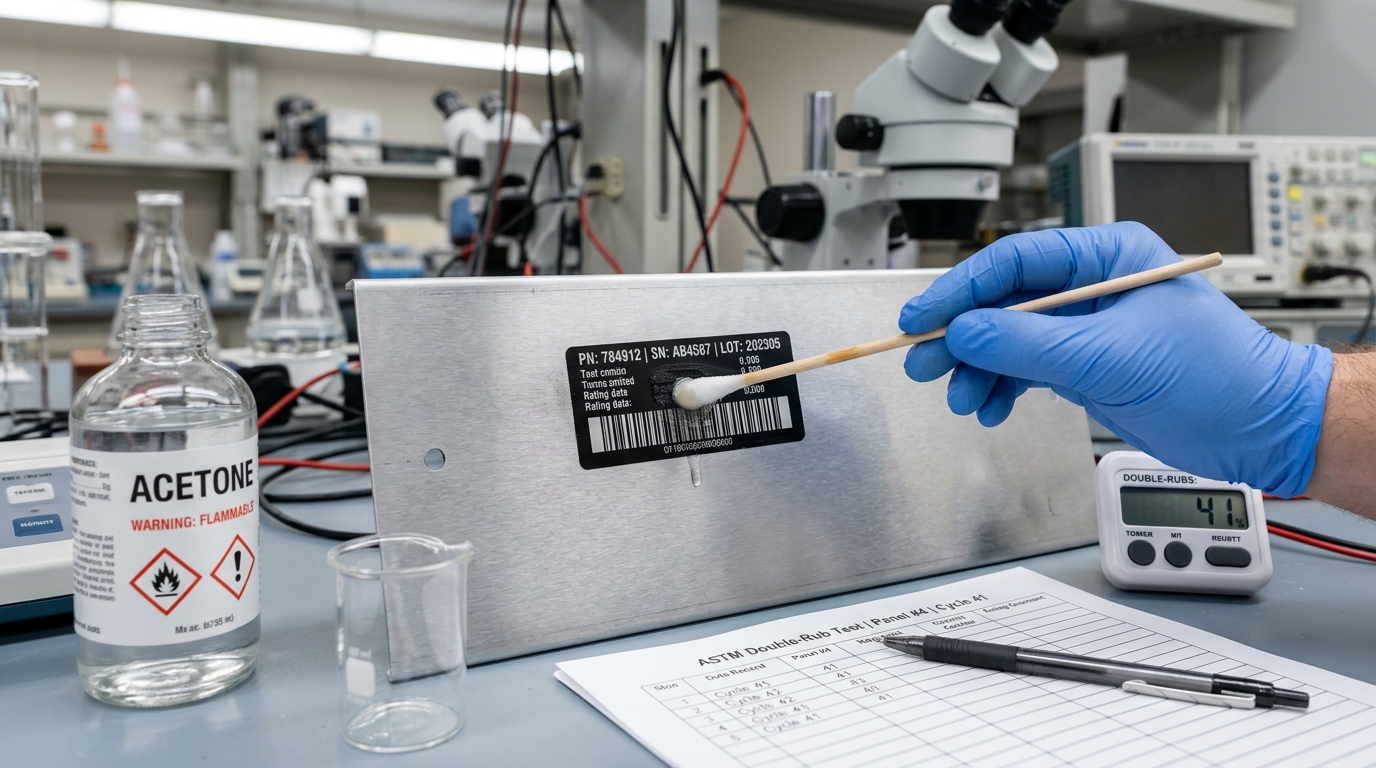
1. The Removal Matrix, by Surface
Universal sequence first — heat → plastic blade → mechanical rub → mildest working solvent — then the surface-specific rules that override it:
| Surface | Safe Method | Never |
|---|---|---|
| Painted metal & powder coat | Heat + plastic blade + citrus remover; IPA finish | Metal scrapers, acetone/MEK (soften paint), aggressive rubbing on fresh paint |
| Bare stainless & aluminum | The permissive case: heat, IPA, citrus, even stronger solvents; plastic or hardwood scrapers | Carbon-steel blades on stainless (embed rust-bloom particles), wire wheels |
| Polycarbonate, ABS, acrylic | Heat + patience + mechanical rubbing; mild soap; sparing IPA on a cloth, tested first | Acetone, MEK, most “goo” removers — solvent crazing is permanent; also aggressive heat on thin panels |
| Glass | Everything: razor at low angle, any solvent | Dry-scraping tempered glass with damaged blades |
| Labels on labels (equipment archaeology) | Heat the whole stack; peel as one where possible | Excavating layer by layer — decide what identity survives, then clean to bare surface once |
2. The Strategic Layer: Remove Less, Plan More
- Over-label sound non-regulatory labels instead of excavating them — full coverage, and the identity problem is solved without touching the surface. Outdated REGULATORY markings (nameplates, safety warnings) always come off.
- Destructible security labels (B-351 class) are engineered NOT to remove cleanly — that is their job. Budget scraping time or leave them; do not fight the design.
- If the program expects labels to move, specify that up front: repositionable B-581 and the magnetic/mechanical systems make this entire guide unnecessary for operational identity.
- After any solvent removal, re-prep before relabeling — remover residue is itself a release layer, and the application guide’s IPA final-wipe applies doubly here.
Acetone on a polycarbonate machine guard or HMI bezel causes stress crazing — a permanent web of micro-cracks that no polish removes and that compromises impact rating. If you learn one line from this page: no ketone solvents on clear plastics, ever.
Relabeling after removal?
The application best-practices guide covers the prep-pressure-cure sequence that makes the replacement outlast the original.