Labeling Low Surface Energy (LSE) Plastics (PP, PE, HDPE): Engineering Guide
Standard acrylic adhesives frequently fail on low surface energy (lse) plastics (pp, pe, hdpe) due to low critical surface tension, microscopic texture voids, or severe temperature extremes. This guide outlines the molecular mechanics of adhesion and specifies high-tack Brady formulations engineered to prevent peeling.
Polypropylene (29 dynes/cm) and high-density polyethylene (31 dynes/cm) polyolefin polymers possess non-polar molecular chains with virtually zero surface free energy. Standard acrylic adhesives experience thermodynamic wetting failure (the liquid adhesive beads up like water on a freshly waxed car) and detach under minor shear or thermal expansion.
Specialized high-tack modified acrylic and synthetic rubber adhesives formulated with extremely low surface tension that spontaneously wet non-polar polyolefin chains without requiring corona discharge, flame treatment, or chemical primers.
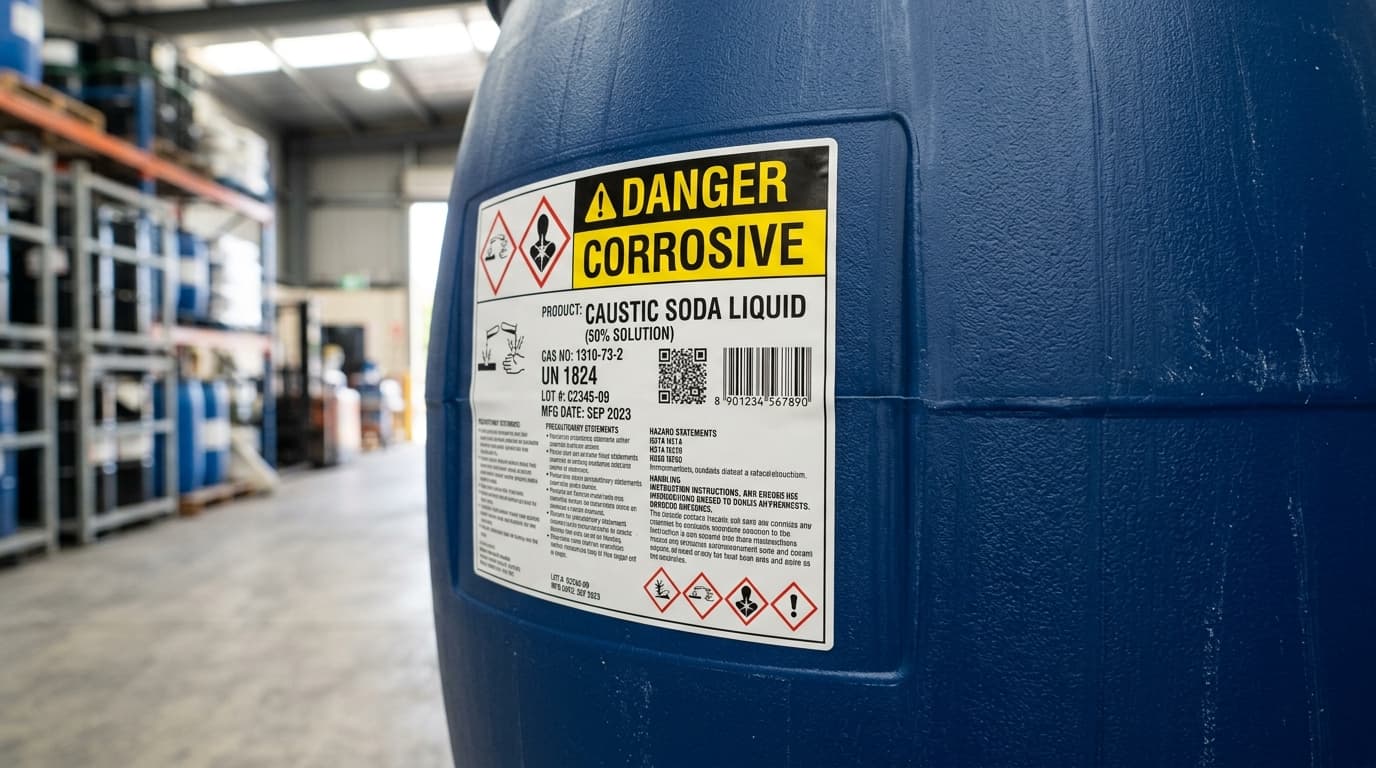
Recommended Brady Materials for Low Surface Energy (LSE) Plastics (PP, PE, HDPE)
Ultra-Aggressive High-Tack Polyester
Specifically tested and UL 969 recognized on low-surface-energy plastics including polypropylene totes, polyethylene drum barrels, and blow-molded tool cases.
Conformable Nylon Cloth Wire & Bin Marker
Pliable polyamide cloth backing flexes with expanding and contracting plastic storage totes and curved polypropylene cable jackets without edge lifting.
All-Weather High-Tack Outdoor Vinyl
Permanent acrylic adhesive provides 8–10 year weatherproof adhesion on chemical carboys, plastic piping, and outdoor storage containers.
Orderable Part Numbers for Low Surface Energy (LSE) Plastics (PP, PE, HDPE)
Pre-sized rolls and cartridges engineered for guaranteed surface adhesion.
Surface Preparation & Application Protocol
Wipe the surface with a 50/50 mixture of Isopropyl Alcohol (IPA) and clean deionized water using a lint-free cloth. Allow the surface to dry completely. For oily or greasy metals, a degreaser solvent like heptane may be used first, followed by an IPA wipe to remove residual solvent film.
Pressure-sensitive adhesives require mechanical force (minimum 15 psi) to displace air pockets and force the polymer into the valleys of textured paint. Adhesives achieve ~50% bond strength immediately, but require a 72-hour dwell time to fully wet out and achieve maximum ASTM D1000 peel adhesion.